On December 10th 2025, the Online Safety Amendment Act went into effect in Australia, banning social media for users under the age of 16. The new legislation involved social media conglomerates like Instagram, Snapchat, TikTok, X, and YouTube. Australia forced large companies to comply by imposing a $50 million fine on platforms that failed to implement the newly required regulations.
Although the new legislation was designed to improve the mental health of the youth in Australia, many critics argue that social media is a tiny aspect of the youth’s larger issue. More importantly, age verification methods raise security concerns for citizens of Australia. Moreover, Australia’s legislation has inspired other countries, amplifying the security threat and humanitarian restrictions across the globe.
The legislation does not specify any single age verification method, leaving it up to individual corporations to keep youth off their platforms. According to the BBC, the Australian government instructs firms to take “reasonable steps” to keep adolescents off of these sites. Verification methods could include scanning government IDs, recognizing faces and voices, and monitoring online behaviors to make “age inferences.”
The sheer amount of user data collected through popular age verification methods should sound alarms for citizens across Australia. Although Australian legislation forces social media giants to destroy the data they collect immediately after the age verification process, it still asks users to self-identify, eradicating the ability to remain anonymous online.
Other countries have taken inspiration from Australia’s youth social media ban, enforcing their own sweeping regulations. Indonesia, for example, implemented a social media ban for children under 16 on March 28th, 2026. Like Australia, Indonesia is leaving the bulk of user age verification to the companies. Companies can choose to require an official ID or use biometric facial scans to verify a user’s age.
Following Indonesia’s ban, on June 1st, 2026, Malaysia began enforcing a social media ban for individuals under 16. Like Australia, Malaysia imposes a fine of about $2.5 million on companies that don’t integrate the ban into their platforms. However, Malaysia’s ban differs from Australia’s because age is verified exclusively through official IDs. As MayerBrown indicates, this includes MyKad, passports, and MyDigital IDs.
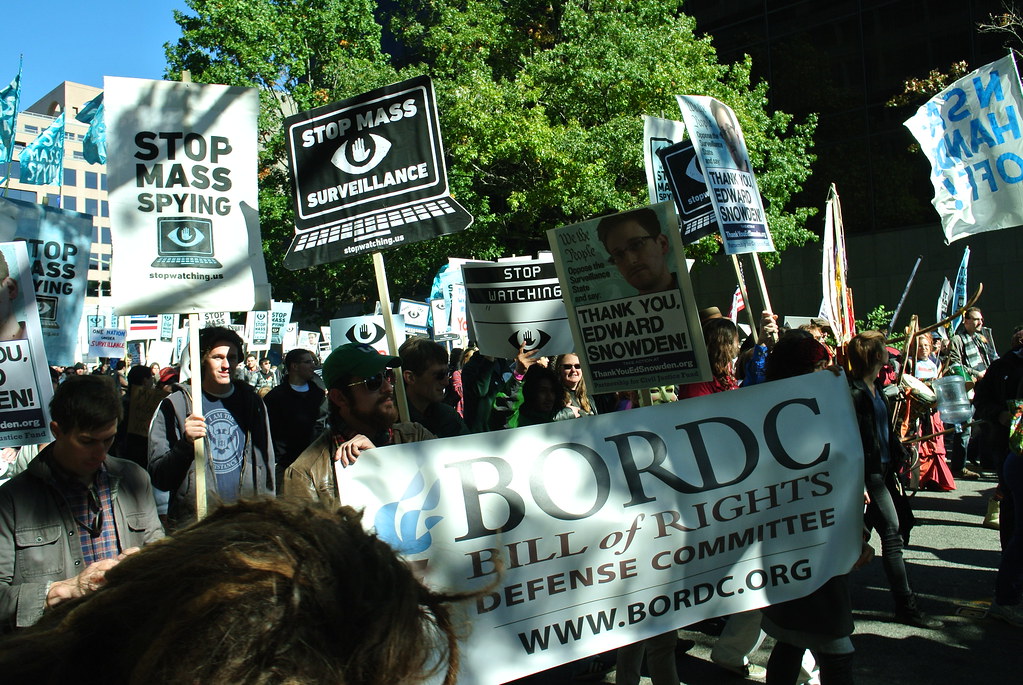
The use of official government IDs seems to give the Malaysian government an edge in surveillance. As DW indicates, the use of a government-registered identification may infringe upon an individual’s right to remain anonymous online. This becomes especially important when an individual is advocating or protesting an aspect of society or government.
What becomes interesting is that in all these countries, there are privacy-preserving verification methods that don’t require government IDs or biometric scans, known as Zero Knowledge Proofs (ZKPs). According to the EU Age Verification Blueprint, the system could generate a proof that an individual meets a certain age threshold without disclosing their exact age or other sensitive details. However, countries in Oceania and Southeast Asia are opting to simply use official IDs, seemingly ignoring ZKPs, hinting at an ulterior motive for their social media bans.
Malaysia has long limited freedom of speech, valuing order in society over complete freedom. According to Amnesty, the country’s Sedition Act is used to silence dissent, which the government argues ensures national security and protects public order. Furthermore, the Communications and Multimedia Act criminalizes “obscene, indecent, false, menacing or offensive” media.
The vague nature of the act opens doors for the law to be used against anyone in any scenario. Finally, the Printing Presses and Publications Act gives the Minister of Home Affairs the power to grant, suspend, or revoke licenses of printing presses and other publications. Additionally, the minister has the ability to ban any publication that they deem as obstructive to public order, morality, security, or national interest.
With forced identification in the Malaysian social media ban, combined with the grasp the government already has over speech in the country, Malaysia is choking its pathways for social unrest and protest. As individuals are forced to identify themselves, anonymity online becomes impossible and increases the danger of posting a critical opinion online. The ban acts as another layer of social filtering, allowing the government to identify who said what.
With other Southeast Asian countries, like Thailand, also considering youth social media bans, the question of what the true intention of these bans is arises. Following the ban in Australia, we observed new legislation in neighboring countries in less than a year.
The rushed nature of new social media regulation provides a subtle indication that the safety of the youth is only one aspect of each government’s larger goal with the bans. With a history of social suppression in the countries of Southeast Asia, age verification techniques not only verify age but also eliminate social anonymity, breaking off any protection individuals may have had before.
Age verification techniques allow the government and social media companies to identify who is online, which allows them to suppress speech from individuals and punish those who post critical opinions online. Although bans may protect youth, they also indirectly give each government a method to identify individuals online, allowing them to suppress citizens for their agendas.

 Spykman Institute
Leave a comment