
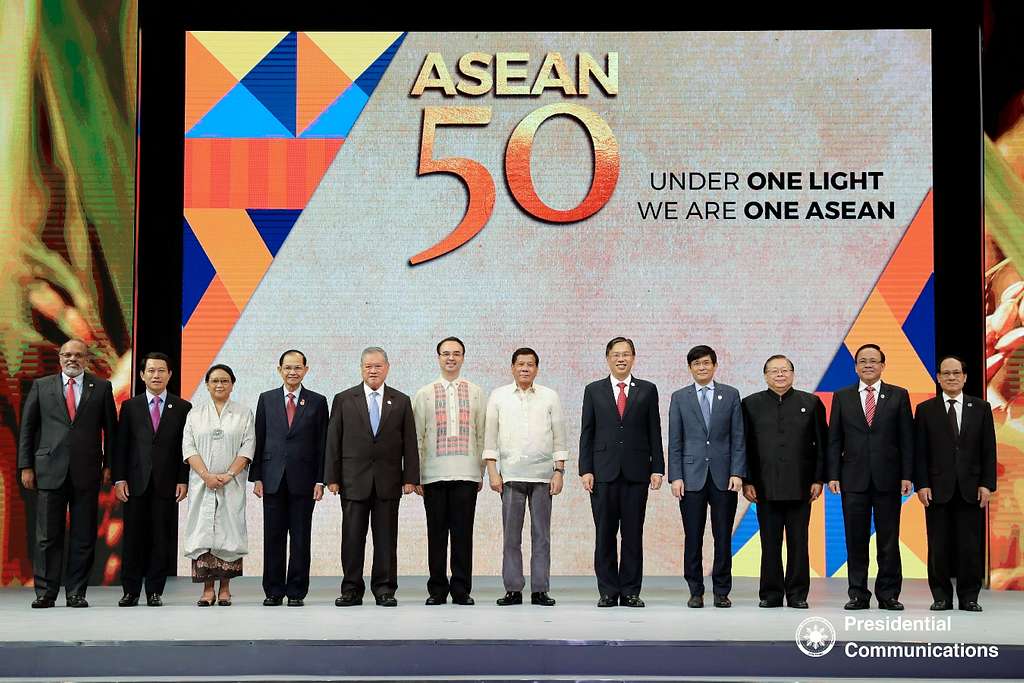
On August 8th, 1967, the Deputy Prime Minister of Malaysia and the Foreign Ministers of Indonesia, the Philippines, Singapore, and Thailand gathered in Thailand’s Department of Foreign Affairs building and signed a document. The contents of which contained only five articles.
That document established the Association of Southeast Asian Nations (ASEAN), which is now recognized as one of the most successful inter-governmental organizations today.
The ASEAN articles laid out several aims for the coalition of nations, including economic, social, cultural, technical, and educational collaboration, as well as the promotion of regional peace through the stability of law. The Association was kept open to affiliation to any State in the Southeast Asian region that would cooperate on its aims. That informal agreement was reflected in the decision making process.
A tense yet strangely friendly negotiation, later described as “sports-shirt diplomacy,” took place over four days in the isolation of a beach resort southeast of Bangkok. While each minister brought vastly different political backgrounds and interests to the table, the goodwill and diplomatic finesse of each nations’ representatives was displayed on the golf course and at the negotiation table
Eventually, the diplomats came to an agreement that was beneficial to all nations, setting up the structure for massive future gain. In the present day, ASEAN agreements have slashed import taxes by an average of 96%, with over 70% of intra-ASEAN trade moving tariff-free. It has also prevented major interstate wars since its founding, promoting a regional code of conduct, peace, and neutrality.
Treaties can be exploitative, but when colonial interests are put aside for mutual cooperation, truly beneficial agreements may arise!

 Spykman Institute
Leave a comment