

Climate change is a problem of neglect. As rising temperatures, changing weather patterns, and ecosystem disruptions plague the planet, inaction from governments and global organizations causes global superpowers to transition from fossil fuels to green energy.
Unfortunately, transitioning countries are doing too much, too fast. Their sudden high demand for resources uproots mining infrastructure in Southeast Asia and causes local governments to scramble as they shift to accommodate the desires of global green superpowers. Although transitions to green energy reduce greenhouse gas emissions, they also create a new wave of colonialism and environmental issues that plague Southeast Asia.
Popular forms of green energy require minerals that come from Southeast Asian mines, including nickel, tin, copper, bauxite, and rare earth metals. These substances are primarily used to create electric vehicles, energy infrastructure, and battery storage systems. They are essential to the green transition, but their supply depends on their extraction from Southeast Asian countries.
The new push for resources to power green energy leaves Southeast Asia vulnerable to exploitation and a new wave of colonialism. This can be seen in the region’s relations to China, which currently leads the global transition to renewable energy. According to the Lowy Institute, China produces around 70% of the world’s rare earth metals and controls 94% of the world’s production of rare earth magnets. China also holds a monopoly over the production of permanent magnets, a significant component of many green energy technologies.
However, China opts to extract from other countries’ environments instead of its own. Per an article published by Le Monde, the bulk of rare earth metal extraction shifted from China to Myanmar in recent times to prevent pollution in China’s Jiangxi province.
Myanmar provides a case study of what could eventually occur to all of Southeast Asia. According to the Australian Strategic Policy Institute, from 2017 to 2024, Myanmar served as China’s largest supplier of rare earth metals. But in late 2024, in retaliation against control from Beijing, the Kachin Independence Army and other armed groups in Myanmar seized control of the country’s mining facilities, dropping Chinese imports of rare earth metals from Myanmar by 89%.
However, in early 2025, China pressured the Myanmar National Democratic Alliance army to withdraw from Lashio, a significant mineral mining location. Beijing has shown that it is willing to pressure ethnic resistance groups to allow China to regain control over key mineral extraction areas and reopen supply flows. China and Myanmar’s relationship works as a blueprint of a global superpower exploiting a weaker country to produce green energy technology.
The scariest part of Beijing’s transition to green energy is the nation’s strong grip on its supply chains. According to the International Energy Agency, China controls 90% of global mineral processing and has the power to restrict Western access to the resources needed to power clean energy. Furthermore, China’s geographic proximity to vital mineral extraction sites in Southeast Asia gives Beijing a logistical advantage over its Western counterparts in the creation of green energy technology.
Across the sea, the United States is playing catch-up with Beijing. In 2025, the United States created several bilateral agreements with countries across Southeast Asia. However, they lack force because they are non-binding. China will likely continue its monopoly on minerals and mineral processing because of the nation’s aggressive strategy and signaled willingness to put pressure on mineral-extracting governments.
China’s economic dominance over Southeast Asia has several environmental and humanitarian consequences. The sudden push for minerals to support green energy technology is leaving Southeast Asian governments scrambling to develop new industry guidelines. The combination of US bilateral agreements, continued pressure from China, and exporter profit incentives creates circumstances under which legislation will be slow.
Environmentally, there are already several widespread consequences to the green energy transition, affecting both ecosystems and individuals. The Mekong River flows through Laos, Myanmar, and Cambodia, acting as a water source and economic tool for Southeast Asian communities. However, the Stimson Center reported that after an increase in rare earth mining, thousands became unable to drink or hunt from the river. Furthermore, beyond the Mekong River, the Lowy Institute revealed that the Kok River is severely contaminated and that 60% to 70% of its contamination can be attributed to rare earth mining.
Within its own borders, China has tightened up on rare earth mining regulations. For instance, China requires companies to use relatively sustainable mining practices and has shut down many mines. The sudden downsizing of mining infrastructure within Beijing further incentivized the country to turn to Myanmar and its lighter regulations.
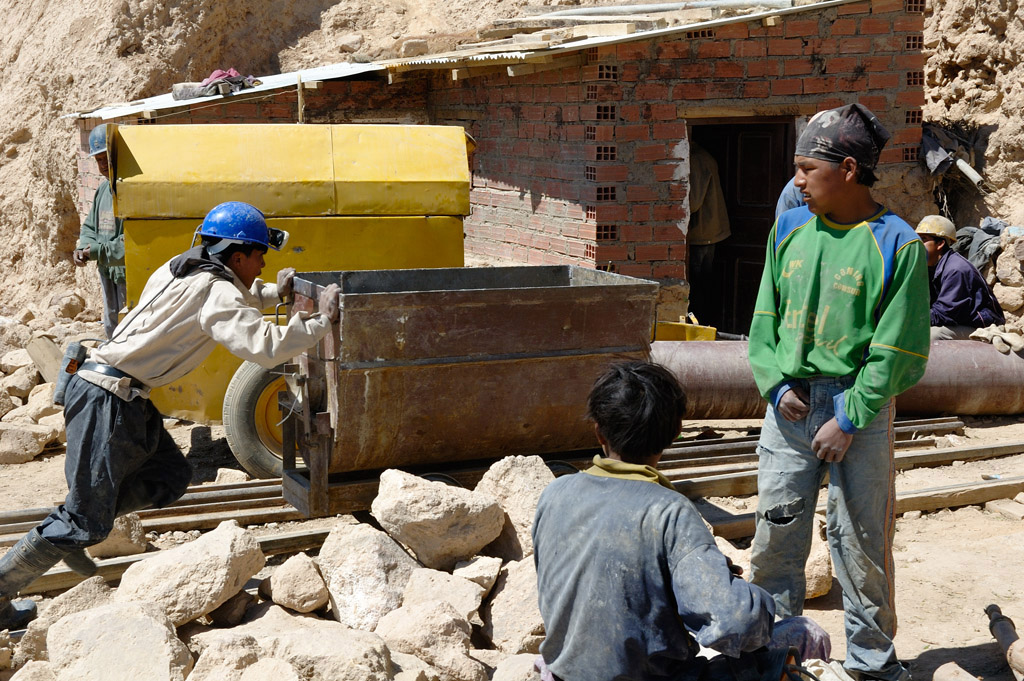
On the humanitarian side, China’s systemic exploitation of Southeast Asian countries will not relent absent strict guidelines. According to a blog from the London School of Economics and Political Science, even in small mines, at least 100 miners work day and night shifts extracting minerals in Myanmar’s Shan State. With an indication of greater American competitive presence in rare earth mining, Southeast Asian nations face intense pressure to cut production costs, further undermining humanitarian working standards, accelerating not only abuse but the degradation of society in exploited countries.
China’s sustained dominance over rare earth mining is giving rise to a new type of colonialism. The question of whether the region will establish a framework for the ethical extraction of minerals remains. However, China’s monopoly over essential minerals and US competition within the rare earth mining industry ensure that Southeast Asia will likely continue to bear the consequences of global superpowers’ “clean” future.
 Spykman Institute
Leave a comment