
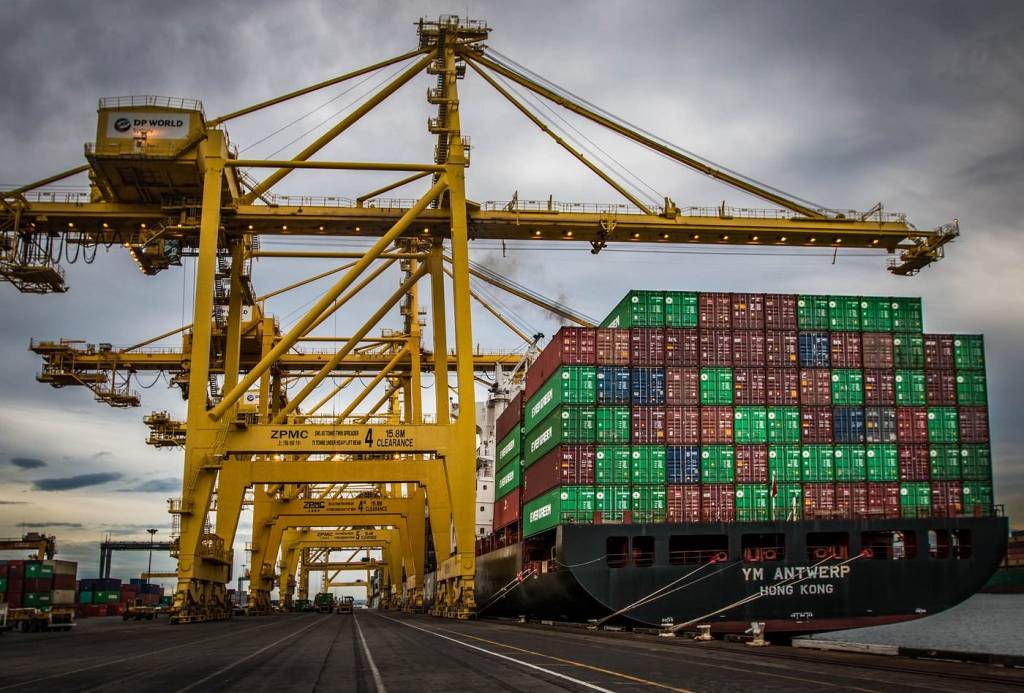
While Southeast Asia plays catch-up to the rest of the world, global superpowers are taking advantage of its countries as they develop. As Southeast Asian countries push for ambitious infrastructure projects, they rely on loans from other countries to fund them.
However, this reliance on loans leaves the continent vulnerable to external influence. Dubbed Debt-trap Diplomacy (DTD), Southeast Asia’s loan dependency is a tool for richer countries to consolidate the infrastructure they fund in Southeast Asia. China, the main player in DTD, will gain control of vulnerable Southeast Asian countries as they default on their loans.
Sri Lanka provides the clearest example of how a debt trap could affect Southeast Asia with the port of Hambantota. This port was designed to transform the local city into a major industrial hub for ships passing through the Indian Ocean. However, Sri Lanka could not fund the project itself and relied on Chinese investment to construct the port.
Following the port’s creation, when Sri Lanka failed to repay its loans, in 2017, the port was handed over to China on a staggering 99-year lease. The most frightening issue was that China had no economic incentive to invest in the port. The year before the port was handed to China, according to the Center for Strategic and International Studies (CSIS), only 175 cargo ships passed through the infrastructure. This indicates that China is looking to seize foreign infrastructure, especially at key points across Southeast Asia and Oceania, regardless of whether seizures are economically sound.
Analyzing Sri Lanka also gives insight into China’s DTD strategy. China administered loans to Sri Lanka with astronomically high interest rates. According to CSIS, the first phase of the Hambantota port project was funded by a $307 million loan with 6.3% interest. Typical interest on concessional loans designed to aid foreign development ranges from 0-2% according to the World Bank Group. Desperate to achieve economic prosperity, Sri Lanka took the loan. The loan’s high interest clearly reveals China’s intent. China was not interested in providing “aid” to Sri Lanka. Instead, it planned to seize the port when offering the loan.
This isn’t the only time that China has engaged in DTD. More recently, China has invested heavily in Laos, practically taking over the country’s energy grid. When borrowing from China, Laos intended to pay its foreign debts by constructing enough energy infrastructure to sell power to other Southeast Asian countries. However, once Laos received its loan from China, the money went towards hydropower aimed at serving the domestic market. The construction resulted in the overproduction of energy while barely growing energy exports.
The most terrifying statistic is that, according to the Lowy Institute, China is responsible for 50% of Laos’ total debt. This creates a precarious situation for Laos. Though China’s predatory loans caused Laos to struggle financially, its loans seem not to have affected Sri Lanka as severely: according to the Lowy Institute, China is responsible for a mere 9% of Sri Lanka’s total debt. The difference in figures here is horrifying. China can seize more control over Laos and utilize the country’s debt to consolidate more infrastructure under the Chinese state.
Although local politicians are also to blame, serving as links between Chinese loans and Southeast Asia, regardless of their individual actions, the end picture remains the same. China is taking advantage of countries in desperate situations, creating new infrastructure to “help” them, only for the infrastructure to be seized by the Chinese government when they default on their loans. Sri Lanka was going through a Civil War when building the Hambantota port, further exacerbating their ability to pay back the loans they received from China.
Likewise, Laos was already in political turmoil and going through a separate debt crisis before China lent money to the country. According to the World Bank, emigrants from Laos to Thailand increased by 15% since June 2023. This statistic only accounts for registered emigrants, as unregistered migrants would undoubtedly increase this percentage. This increase in emigration out of Laos indicates political turmoil and instability within the country that China capitalized on.
The rest of Southeast Asia is crippled with political turmoil, exposing countries to the same situation as Sri Lanka and Laos. According to the East Asia Forum, the Malaysian public is skeptical of their own government because of both its close ties with China and the surge of Chinese investment into Malaysia. The Philippines grapples with a drug war involving the president, with many unlawful killings creating turmoil within Filipino communities. Religious tensions gridlock Indonesia as the government continues to discriminate against minority religious groups.
Furthermore, several democracies have collapsed in the region, further exposing the region to Chinese involvement. A democratic Myanmar ended in February 2021 with a military coup, leading to conflict across the country. Cambodian elections, according to the Atlantic Council, have been rigged since July 2023, allowing the ruling party to infringe upon human rights and censor media outlets. The political instability in Southeast Asia incentivizes local politicians to accept foreign investment, however predatory it may be, leading to the consolidation of their countries’ assets.
China has been the primary actor in the Southeast Asian region since the inception of the Belt and Road Initiative. However, with Southeast Asian political instability reaching the global stage, other superpowers, like the United States, are bound to increase their presence and fund infrastructure projects for the same reasons as China. This creates tension between the global superpowers, and Southeast Asia becomes their playing field.
 Spykman Institute
Leave a comment